
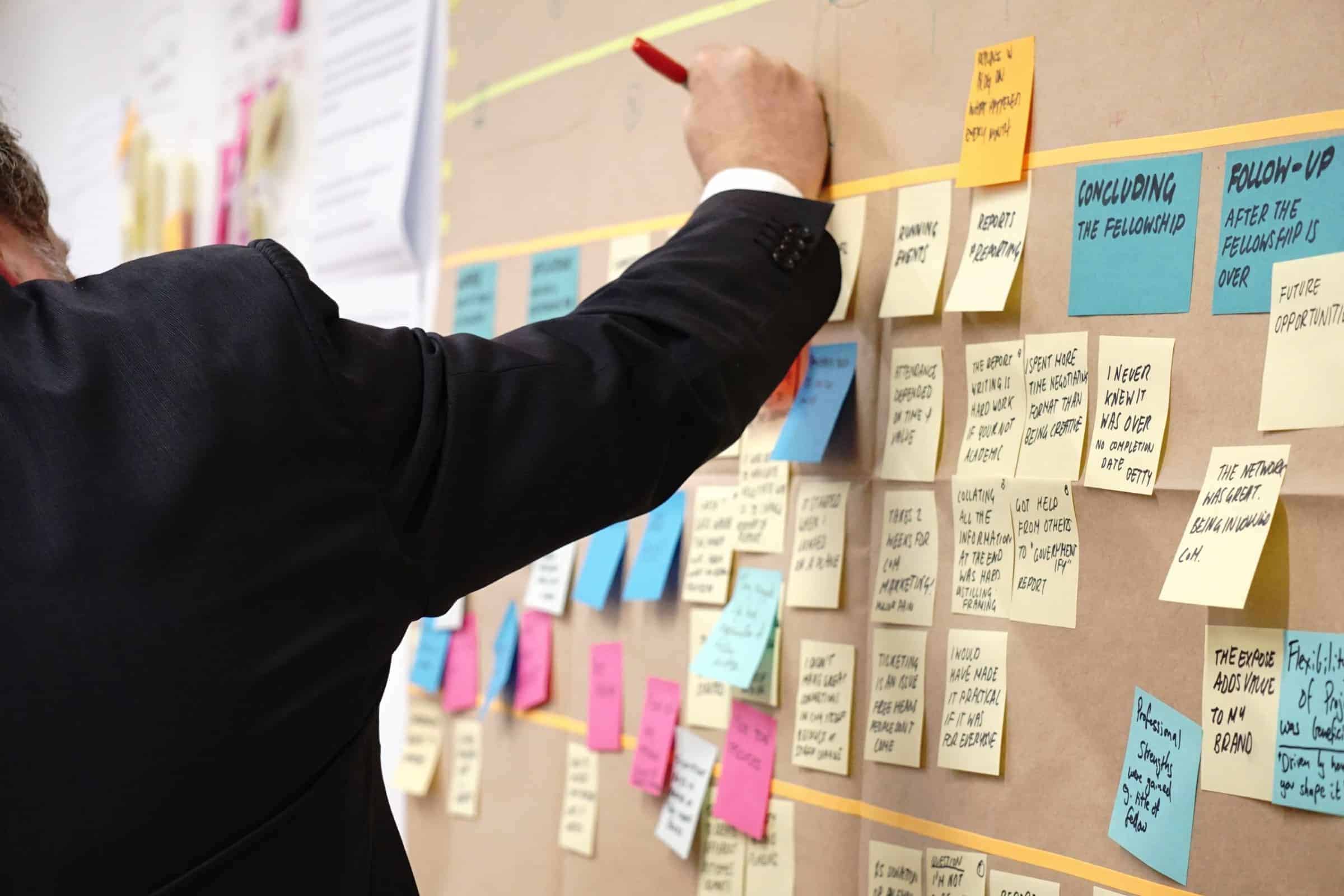
Interim projects are designed to provide short-term support to businesses or organizations. They are typically undertaken to address a specific issue or to implement a new initiative. In this article, we’ll explore the life cycle of an interim project and the key stages involved.
Stage 1: Planning and Preparation
The first stage of an interim project is planning and preparation. During this stage, the project team will work to define the project goals, scope, and deliverables. They will also identify the key stakeholders and establish the project timeline and budget.
Stage 2: Mobilization
Once the project has been planned and prepared, the project team will move into the mobilization stage. During this stage, they will recruit the necessary resources and establish the project infrastructure. This may include hiring interim managers, securing office space, and procuring necessary equipment and supplies.
Stage 3: Implementation
The implementation stage is where the bulk of the project work is carried out. During this stage, the project team will work to achieve the project goals and deliverables. They will monitor progress and adjust the project plan as necessary to ensure that the project remains on track.
Stage 4: Review and Evaluation
The review and evaluation stage is where the project team will assess the success of the project. They will evaluate the project deliverables and assess whether they have achieved the desired outcomes. They will also identify any areas for improvement and document lessons learned for future projects.
Stage 5: Project Closure
The final stage of an interim project is project closure. During this stage, the project team will close out any outstanding tasks and finalize the project deliverables. They will also conduct a final review of the project and ensure that all project documentation is complete and up-to-date.
Benefits of an Interim Project
Interim projects offer a number of benefits to businesses and organizations. They provide short-term support to address specific issues or implement new initiatives. They also allow organizations to access specialized expertise without the need to hire permanent staff.
Key Challenges of an Interim Project
While interim projects can be beneficial, they also present a number of challenges. These may include issues with project management, communication, and stakeholder engagement. Additionally, managing the transition between the interim project and the long-term strategy can be a challenge.
Successful Interim Project Management
Successful interim project management requires careful planning and execution. This includes defining project goals and deliverables, recruiting the necessary resources, and establishing effective communication channels. It also requires strong project management skills, including the ability to monitor progress and adjust the project plan as necessary.
Conclusion
The life cycle of an interim project involves planning and preparation, mobilization, implementation, review and evaluation, and project closure. Interim projects offer a number of benefits, including short-term support and access to specialized expertise. However, they also present a number of challenges, including project management and stakeholder engagement. Effective interim project management requires careful planning and execution, as well as strong project management skills.
Food for Thought
What are some examples of successful interim projects that you have encountered in your industry or field? What were the key factors that contributed to their success?
How have interim projects impacted the way that organizations approach strategic planning and project management? How can businesses best leverage the benefits of interim projects while mitigating the associated risks? These are important questions to consider as organizations increasingly turn to interim solutions to address short-term needs and implement new initiatives. By understanding the life cycle of an interim project and the key factors that contribute to its success, organizations can maximize the benefits of these projects and achieve their goals more efficiently and effectively.